Sports
FRONTIERSMEN Ep. 2 | Daniel Boone: “Battle For Boonesborough”
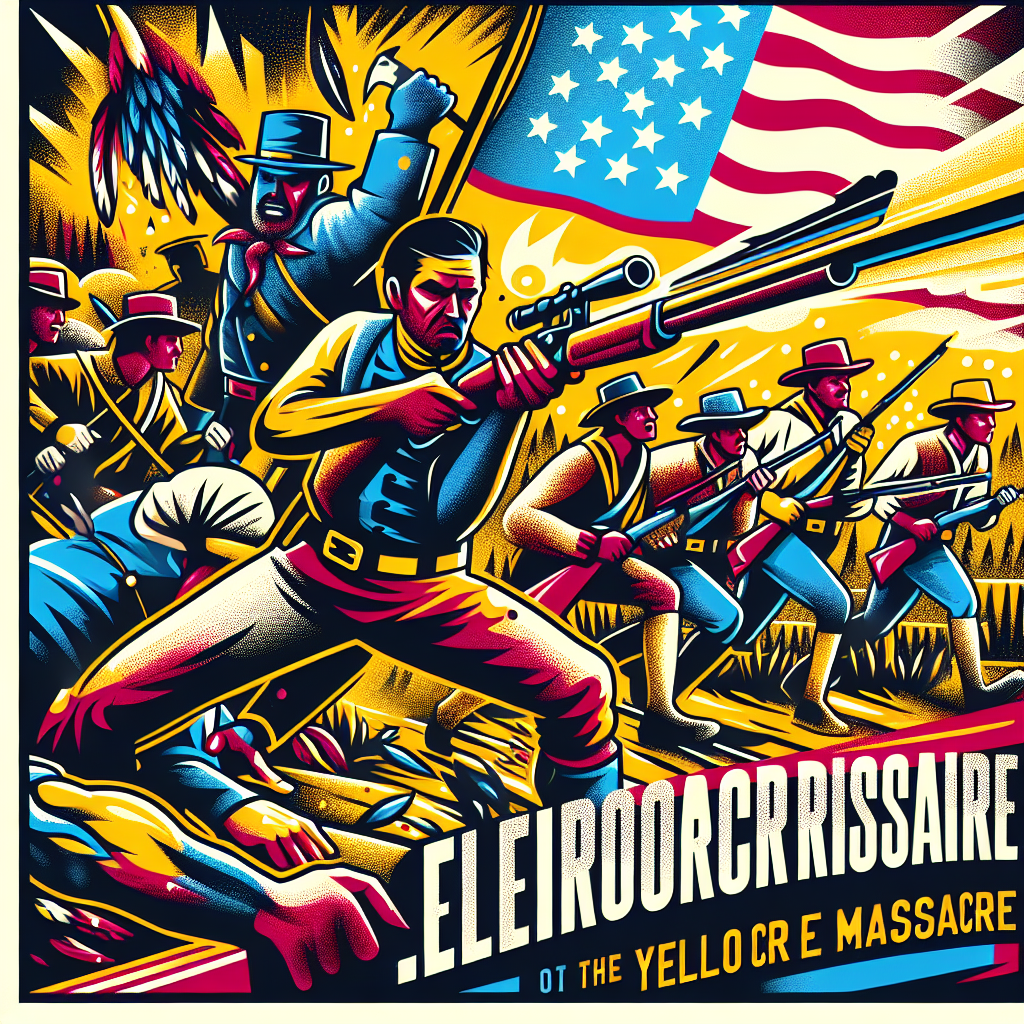
In Episode 2 of FRONTIERSMEN, we delve into the life of Daniel Boone during the tumultuous period leading up to Lord Dunmore's War. The episode explores Boone's adventures, the Yellow Creek ...
FRONTIERSMEN Ep. 2 | Daniel Boone: “Battle For Boonesborough”
Sports •
0:00 / 0:00
Interactive Transcript
spk_0
4.
spk_0
Forty-year-old Daniel Boone was no stranger to frontier violence.
spk_0
But in early 1774 reports swirled throughout the British colonies that startled even the
spk_0
most intrepid frontiersmen.
spk_0
Ambushes, massacres, and mutilations by Shawnee warriors and their allies occurred up and
spk_0
down the Appalachian mountain range.
spk_0
Boone was well aware of the tenacity of frontier warfare.
spk_0
He was born into a Quaker family in Pennsylvania, but most of his life was spent traversing the
spk_0
forests of North Carolina and Virginia colonies.
spk_0
His passion for the woods earned him a reputation as a skilled marksman and ferocious hunter.
spk_0
Even when he married and started a family, Boone always itched for new adventures.
spk_0
During the French and Indian War in which he served as a militiaman, Boone learns tales
spk_0
of an uncharted region called Kentucky which was supposed to be a hunter's paradise.
spk_0
For years Boone dreamed of seeing Kentucky, and when he finally did, he had visions of
spk_0
leading settlers to create a new community.
spk_0
Unfortunately, events throughout the colonies constantly delayed his plans, which was what
spk_0
was happening again in 1774.
spk_0
Tensions between settlers and the indigenous people in the Ohio River Valley had simmered
spk_0
for years.
spk_0
The river itself would eventually help form the boundaries of five American states, and
spk_0
the River Valley as a whole was enormous.
spk_0
It encompassed half of Pennsylvania, most of Ohio and Indiana, parts of Illinois and
spk_0
Virginia, and all of West Virginia and Kentucky.
spk_0
In Kentucky, Boone had already had dangerous and deadly dealings with Ashani.
spk_0
In 1767 during a long hunting expedition, he was captured and held captive by the Shani
spk_0
before he escaped to reunite with his group.
spk_0
Five years later in 1773, while Boone led prospective settlers from North Carolina to
spk_0
Kentucky, his eldest son James died during a Shani attack.
spk_0
That attack essentially ended Boone's first attempt to establish a permanent settlement
spk_0
in Kentucky.
spk_0
He sent his family and many of the 50 potential settlers back home to North Carolina.
spk_0
Now in early 1774, Boone heard of renewed troubles between colonists and Native Americans
spk_0
in the borderlands between Ohio, Pennsylvania, and Virginia.
spk_0
At a time when the current states of West Virginia and Virginia were one big colony.
spk_0
In the area around what is now the panhandle of West Virginia, the narrow strip of land
spk_0
that is sandwiched between Ohio and Pennsylvania, the previously sporadic back and forth killings
spk_0
became more concentrated.
spk_0
In mid-April, groups of Cherokee stole horses and killed colonists in at least two separate
spk_0
attacks.
spk_0
In response, colonial men launched raids against any Native Americans they could find.
spk_0
On April 27 and 28, the colonists attacked two separate groups of peaceful Native Americans,
spk_0
one of which had recently arrived at a fort to trade for goods.
spk_0
On April 30, many of the same colonial men assembled at a spot on yellow creek in what
spk_0
is now the northernmost tip of the West Virginia panhandle.
spk_0
There are numerous versions of the story of the events that followed, but the most common
spk_0
is that the men gathered to defend the family of a man named Baker.
spk_0
Baker ran a tavern on yellow creek, and he had heard that a party of Mingo were coming to
spk_0
kill him and his family.
spk_0
The Mingo were sometimes identified as a singular tribe and sometimes as a collection of people
spk_0
who came from other tribes in the Iroquois Confederation.
spk_0
And the name Mingo is common in West Virginia today.
spk_0
That day in April 1774, the story says that a group of Mingo arrived at Baker's tavern
spk_0
and started drinking heavily, without knowing that more than 20 colonial men were hiding
spk_0
in a back room.
spk_0
The colonial men attacked the Mingo and killed nearly all in the group.
spk_0
Then the attackers rushed outside and saw more Mingo crossing yellow creek into canoes.
spk_0
The attackers shot and killed most of the Mingo in the first canoe, which caused the people
spk_0
in the second canoe to frantically turn around and paddle back across the creek.
spk_0
There's no reliable figure for the number of dead, but it was likely in the double digits.
spk_0
And in the most gory versions of the story, at least one of the colonial men subjected
spk_0
some of the Native American victims to gruesome and horrifying mutilations.
spk_0
Regardless of the details, the attack became known as the yellow creek massacre.
spk_0
When word spread, the Mingo and their formidable allies, the Shawnee, responded by attacking
spk_0
colonial settlers.
spk_0
Before long, the conflict known as Lord Dunmore's War was underway, and Daniel Boone would
spk_0
once again answer the call to arms.
spk_0
From Black Barrel Media, this is an American Frontier series on Legends of the Old West.
spk_0
I'm your host Chris Wimmer, and this season we're telling the stories of two of America's
spk_0
most famous frontiersmen, Daniel Boone and Davey Crockett.
spk_0
This is Episode 2, Daniel Boone Part 2.
spk_0
Battle for Boone's Girl.
spk_0
In the days following the yellow creek massacre, the Mingo and their Shawnee allies were
spk_0
hell-bent on vengeance, and they began attacking settlers with impunity.
spk_0
The violence got so bad that the Virginia House of Burgesses declared war on the Shawnee
spk_0
and the Mingo.
spk_0
The conflict was called Lord Dunmore's War, named after Lord Dunmore, John Murray, the
spk_0
governor of Virginia, and it had wider implications than back and forth reprisals by both sides.
spk_0
For Governor Dunmore, the war was a chance to finally establish a firm and protected
spk_0
border for his colony.
spk_0
For many settlers, the war was an opportunity to acquire more land, and for some, the
spk_0
war gave settlers a reason to avenge those who died at the hands of the Shawnee.
spk_0
In the opening stages of the war, Governor Dunmore knew that there were numerous land
spk_0
surveyors along the Virginia-Kentucky border who were examining land for future settlements.
spk_0
Realizing the men had no clue that war had broken out, Dunmore called on his militia
spk_0
leaders to find two of the best woodsmen who could quickly venture out and warn the
spk_0
surveyors.
spk_0
The leaders put forth Daniel Boone's name right away.
spk_0
The second woodsman was a German-American hunter named Michael Stoner.
spk_0
The militia leaders found Boone in Western Virginia while he was on a trip to visit the grave
spk_0
of his son James.
spk_0
Boone and Stoner set out on June 26.
spk_0
As they began their journey, they realized that most of the surveyors had moved deep into Eastern Kentucky.
spk_0
Instead of being on the Virginia border, the men were in the heart of Shawnee territory.
spk_0
For 61 grueling days, Boone and Stoner traversed more than 800 miles.
spk_0
They managed to find multiple surveyor parties, and they relayed the news about the war.
spk_0
But the woodsmen also discovered the dead and mutilated bodies of surveyors who had been
spk_0
unlucky to run into the Shawnee.
spk_0
Boone and Stoner instructed the lucky ones to return to Virginia as quickly as possible.
spk_0
Finally, in August, the two woodsmen headed home.
spk_0
By some miracle, they themselves did not come into conflict with the Shawnee.
spk_0
And when they returned to Virginia, they were heralded as heroes.
spk_0
And after reporting to his superiors, Daniel Boone became a lieutenant in the militia
spk_0
and was given command of Fort Blackmore and Fort Cowan, located in Southern Virginia
spk_0
near the North Carolina border.
spk_0
In the months that followed, Boone and his militia men kept Shawnee incursions at bay,
spk_0
brief but ferocious attacks took place, and the militia repulsed the warriors.
spk_0
Unfortunately, few details of the skirmishes survived, but for his leadership in combat,
spk_0
Boone was promoted to Captain. He had learned how to defend important strategic locations
spk_0
without any formal military training. It quickly became obvious that Daniel Boone was a natural leader.
spk_0
While Boone kept Fort Blackmore and Fort Cowan on alert, the Virginia militia scored a major
spk_0
victory at the Battle of Point Pleasant, located in modern-day West Virginia on October 10, 1774.
spk_0
While the first continental congress met in Philadelphia to discuss the future of the American colonies,
spk_0
375 miles to the west, the militia men forced the Shawnee to concede that continuing the war was
spk_0
pointless. While some allied tribes refused to negotiate, chief cornstock of the Shawnee,
spk_0
as he was known to white settlers, agreed to terms with Virginia. The Shawnee gave up some land
spk_0
in Kentucky and agreed to stop harassing settlers. Lord Dunmore's war was officially over,
spk_0
and Daniel Boone believed he had a new opportunity to settle Kentucky. At the start of 1775,
spk_0
he began recruiting settlers who were willing to take the risk.
spk_0
Daniel Boone believed his new venture would be different from his first journey two years earlier.
spk_0
This time, he thought the Shawnee were committed to peace. Thanks to chief cornstock,
spk_0
there was now an agreement between colonists and at least some of the Shawnee.
spk_0
While still a dangerous expedition, Boone assumed the territory was no longer hostile.
spk_0
In addition, Boone had a wealthy sponsor. Richard Henderson was a prosperous former judge in North
spk_0
Carolina, and he wanted to help establish a colony in eastern Kentucky called Transylvania.
spk_0
Henderson and Boone met with Cherokee leaders to purchase 20 million acres of land that
spk_0
overlapped with Shawnee claims. Before Boone dared to bring any women and children to Kentucky,
spk_0
he decided to clear a road through the Cumberland gap to make it easy for future pioneers.
spk_0
On the morning of March 10, 1775, Boone and more than 30 men,
spk_0
shouldered axes and began cutting a trail through the hilly terrain.
spk_0
Unfortunately, the promised peace between settlers and the Shawnee didn't hold.
spk_0
And as the so-called wilderness road crossed into Kentucky, Boone's company was ambushed by Shawnee warriors.
spk_0
During the melee, two of Boone's company, an enslaved man named Sam and Sam's owner,
spk_0
were killed before the rest of the company were able to drive their attackers off.
spk_0
When the fight was done, Boone gave both dead men proper burials.
spk_0
Mercifully for the company, the attack was an isolated incident.
spk_0
After three grueling weeks of work, Boone's company completed the wilderness road into eastern
spk_0
Kentucky along the Kentucky River. The wilderness road, or Boone's trace as it was also known,
spk_0
became the first major route for Americans to venture westward into Kentucky.
spk_0
In April, Boone established a fort to serve as the first attempt to create a permanent settlement.
spk_0
Unsurprisingly, the stockade was named after the man who was responsible for blazing the trail.
spk_0
The fort and the subsequent town constructed at the site was called Boone's Burrow.
spk_0
Today, it's a small community about 15 miles southeast of Lexington.
spk_0
In 1775, it was a compound which featured a giant rectangular perimeter fence
spk_0
with four block houses guarding the corners.
spk_0
When Boone's Burrow was finished, Boone sent for his family to join him in Kentucky.
spk_0
By the time Rebecca Boone arrived with their seven children in May 1775, Boone's Burrow had been joined
spk_0
by two neighboring settlements, Logan's Station and Herod's Burg.
spk_0
Together, the settlements became a triumvirate of fortified locations to welcome settlers.
spk_0
Now that Boone was settled with his family, he was starting to see his dream in Kentucky realized.
spk_0
And while Daniel Boone was, at last, enjoying the fruits of his labor in Kentucky,
spk_0
much was changing in the North American colonies.
spk_0
Many of his fellow settlers in the colonies were exasperated with the British government over
spk_0
laws, taxes, and perceived mistreatment. In the years after the French and Indian War,
spk_0
colonists had increasingly become tired of being treated like second-class citizens.
spk_0
During the years while Boone was fixated on settling Kentucky,
spk_0
there was growing sentiment around the colonies toward the prospect of seeking independence.
spk_0
In the spring of 1775, around the time Boone's Burrow was established,
spk_0
the simmering tension between the colonists and the crown boiled over.
spk_0
The first shots of war were fired at Lexington and Concord on April 19.
spk_0
Two months later, colonial troops fought valiantly at Bunker Hill.
spk_0
As American militiamen clashed with British soldiers, several Native American nations on the
spk_0
frontier saw the brewing war as an opportunity. If they threw in their lot with the British,
spk_0
they could reclaim lands surrendered in treaties with colonial governors.
spk_0
Two of the nations looking to reclaim their lost land, or the Shawnee and the Cherokee,
spk_0
and they had their sights set on Kentucky.
spk_0
The Shawnee and Cherokee sought to stamp out any and all incursions into their territory
spk_0
by colonial settlers. When war broke out between the British and the American colonists,
spk_0
the Shawnee and Cherokee allied with the British.
spk_0
Soon, warriors from both tribes began to attack American settlers whenever they could.
spk_0
The biggest challenge was Boone's Burrow. Daniel Boone's long-time dream of a settled Kentucky,
spk_0
and the immediate urgency of the safety of his family were under threat.
spk_0
Over the course of a year of sporadic fighting from the spring of 1775 to the spring of 1776,
spk_0
Boone became increasingly worried. The settlers hunkered down in the fortified compound of Boone's
spk_0
Burrow, but as Daniel Boone would painfully experience, kids will be kids. They don't always
spk_0
listen to their parents even in times of danger and crisis.
spk_0
On July 14, 1776, Boone's 13-year-old daughter, Jamima, and two friends, Elizabeth and Francis
spk_0
Callaway decided to take a canoe out onto the Kentucky River. As the girls paddled away from
spk_0
Boone's Burrow, they were unaware they were being watched, hidden in the trees, five warriors,
spk_0
three Shawnee and two Cherokee, spied the canoe. When the canoe neared the river bank,
spk_0
one of the warriors jumped out of the brush and grabbed the boat.
spk_0
The girls started to scream, but one of the warriors grabbed a girl and made a gesture of scalping
spk_0
which silenced all of them. Jamima told the warrior that she was Daniel Boone's daughter and
spk_0
claimed that the Callaway sisters were also Boone's children. Jamima assumed that if the warrior
spk_0
knew she was related to Boone, it might save them from mistreatment. The warrior believed
spk_0
Jamima, but that did nothing to stop the abduction. With their captives in tow, the warriors dragged
spk_0
the girls into the woods. As fate would have it, the girl's screams had reverberated across the
spk_0
creek and reached the ears of a few Boone's Burrow residents who were working outside of the
spk_0
settlement's walls. Realizing people were in danger, nine men grabbed their rifles, mounted
spk_0
horses and rode off to investigate. Daniel Boone decided he should go too, having no idea his
spk_0
daughter had been taken. Boone led a small party across a nearby stream and they instantly saw
spk_0
the abandoned canoe and signs of the abduction. Boone and his men raced into the woods and
spk_0
easily picked up the warrior's trail. Part of it was Boone's experience as an expert woodsman
spk_0
and tracker, but the girls also helped. The warriors had horses, but they forced the girls to walk,
spk_0
so the girls dragged their feet to leave marks on the ground. They snapped branches and dropped
spk_0
small bits of cloth from their clothes. Jamima Boone made life especially difficult for the warriors.
spk_0
Like the Callaway sisters, when the warriors made Jamima walk, she dragged her feet. When they
spk_0
put her on a horse, she harassed the animal to the point that it refused to carry her.
spk_0
Boone's search party followed the trail throughout the night. At dawn the next day,
spk_0
Boone made a calculated decision. He feared that if they all followed the trail,
spk_0
the warriors might hear them approach. If the warriors saw the settlers coming,
spk_0
they might kill the captives immediately. Boone proposed they abandoned the trail and
spk_0
head to a nearby river crossing which he believed the warriors planned to use.
spk_0
It was a risk to leave the trail, but it was a risk worth taking if it meant saving the girls.
spk_0
As night fell on the third day of pursuit, Daniel Boone and his company approached the river
spk_0
crossing and he discovered his prediction was right. Near the crossing, eight people
spk_0
huddled around an open flame as meat from a dead buffalo calf cooked over the fire.
spk_0
Boone and his men could see the five warriors and the three young girls. As quietly as possible,
spk_0
Boone's group circled around the camp and waited to strike.
spk_0
Through the leaves, Boone saw and heard the Callaway girls crying. Boone turned and saw one of the
spk_0
warriors the warrior by the fire would be the easiest target. Boone levelled his rifle and the
spk_0
other men with him did the same. Francis Callaway was kneeling near her sister when she looked up
spk_0
at the warrior standing by the fire. As she did, she heard a loud bang and saw blood spurt from the
spk_0
warriors chest. Boone's opening shot had hit its mark. Jemima shouted, quote, that's daddy
spk_0
and the rest of Boone's company opened fire. Jemima and Francis dropped down to avoid the
spk_0
musket balls which tore through the camp. Elizabeth Callaway didn't hit the ground most likely because
spk_0
she was in shock. One of the warriors swung a club at her head. One of the rescuers, Daniel Boone,
spk_0
according to his autobiography, fired a shot before the warrior's club hit its mark.
spk_0
The warrior fell and Boone and his men burst out of the trees. The frontiersman blitzed the
spk_0
camp from multiple angles. Taken a back, the three surviving warriors ran away and left behind almost
spk_0
everything they had. In the confusion, gun smoke and dim lighting, one of the rescuers nearly shot
spk_0
Elizabeth Callaway. She rushed toward one of the men and all he could see was a dark shape
spk_0
hurrying toward him. The man aimed his weapon at Elizabeth, but Boone shouted, quote, for God's sake,
spk_0
don't kill her when we've traveled so far to save her.
spk_0
With the girls now safe, the party returned to Boone's burrow. When they got back, Boone learned
spk_0
that another band of warriors had burned outlying cabins and crops. Thankfully, no one had died,
spk_0
but the people of Boone's burrow and the neighboring communities would need to be extra vigilant
spk_0
because there seemed to be no sign that the fighting would end anytime soon.
spk_0
As war began to grip the colonies in the north and slowly extended south, the story of Daniel Boone's
spk_0
rescue mission to save the three girls grew into legend. 50 years later, it inspired author James
spk_0
Phenomore Cooper's famous novel The Last of the Mohicans. At one point in the story, the daughters
spk_0
of a British officer were kidnapped by a Shearan war chief and the protagonist, a frontiersman,
spk_0
set out to rescue them. 166 years after the novel was published, that sequence of a frontiersman
spk_0
leading a small group to rescue an officer's daughter became one of the greatest sequences in
spk_0
cinematic history in the 1992 film adaptation of The Last of the Mohicans, starring Daniel Day Lewis.
spk_0
In July of 1776, Daniel Boone's leadership inspired confidence in those around Boone's burrow.
spk_0
His bravery was infectious, which was important because the war for American independence was about
spk_0
to expand beyond the epicenter of Boston and New York. While British forces planned to press
spk_0
General George Washington in New York, they were debating how to handle colonists on the frontier.
spk_0
Lieutenant Governor Henry Hamilton, the British superintendent of Indian affairs, stationed at Fort
spk_0
Detroit in modern-day Michigan, was responsible for crafting frontier war policy. Initially, Hamilton
spk_0
was encouraged to keep Native American tribes neutral, but as the war progressed, the policy changed.
spk_0
Instead of keeping Native American nations away from the war, Hamilton received orders to make
spk_0
them a central part of it. The objective was to convince tribes, but the best way to retain their
spk_0
territory was to defeat the American rebels. The Shawnee and Cherokee were two nations of many
spk_0
who supported the British, while others, like Boone's friends in the Kataba nation,
spk_0
mostly sided with the American colonists. After the British instituted a new policy of enlisting
spk_0
help from Native American nations, their followed a period on the frontier called the Bloody Sevens.
spk_0
Named after the year the raids began, 1777. Henry Hamilton sanctioned Shawnee and Cherokee
spk_0
raids across the frontier. Hundreds of men, women and children on the western boundaries of Pennsylvania,
spk_0
Virginia and North Carolina were killed and scouted. One of the colonial leaders on the frontier in
spk_0
Kentucky wrote to the governor of Virginia in February 1777 and told him, quote,
spk_0
We are surrounded with enemies on every side and our fort is filled with widows and orphans.
spk_0
At the same time, Hamilton's biggest fear with the plan came true. Warriors also attacked colonists
spk_0
who were loyal to Britain, whether on purpose or because it was likely hard for warriors to tell
spk_0
the difference between colonists who were loyal to Britain and those who were loyal to the new American
spk_0
nation, the raids which killed loyalists ended up pushing other loyalists to switch sides.
spk_0
But even though sentiment on the colonial frontier was slowly shifting in favor of the American
spk_0
colonists, that didn't mean settlements like Boonsboro were safe. In fact, Daniel Boon knew it
spk_0
wasn't, at least in terms of a large-scale attack. If a large force of Shawnee concentrated an
spk_0
attack on Boonsboro, Boon feared the settlement would fall.
spk_0
Major George Rogers Clark, an American officer in the Virginia militia,
spk_0
realized the importance of Boon's Kentucky settlements. Clark successfully navigated Boon's
spk_0
wilderness road in order to help resupply Kentucky outposts with gunpowder and to recruit men to
spk_0
fight. When Clark arrived, he conferred with Boon. Boon was ready and willing to help defend
spk_0
Kentucky and Clark made Boon a militia captain. To Boons' dismay, he and the militia were never on
spk_0
the offensive. They defended settlements, which meant they were forced to deal with ambushes.
spk_0
On March 5, 1777, Shawnee leader, chief blackfish, and 70 warriors attacked settlers who were
spk_0
crafting maple syrup. The Shawnee mutilated their bodies and drank the syrup before racing
spk_0
away through the woods. On April 24, a larger attack erupted. The day started with two men leaving
spk_0
Boon's burrow to drive some horses which were grazing near the fort. Before rounding up the horses,
spk_0
the two men were shot by Shawnee warriors. One of the two was overtaken and scouted. A nearby
spk_0
settler, Simon Kenton, just so happened to be hunting in the area. Kenton saw the Shawnee attack
spk_0
and hurled himself into the fray. He shot the warrior who was hoisting the scout.
spk_0
Inside Boon's burrow, Daniel Boon heard the shots. Expecting a small ambush, Boon gathered
spk_0
some men and raced outside the fort to investigate, which was when Boon realized they had fallen into a
spk_0
trap. More than 100 Shawnee warriors emerged from the woods around the compound. Including Boon
spk_0
and Simon Kenton, who had just killed a Shawnee warrior, the settlers numbered 14 men who now faced
spk_0
more than 100 warriors. Almost immediately, both sides began to fire. In roughly a minute,
spk_0
Simon Kenton had killed a pair of warriors, but the two kills and the shots from other front
spk_0
hearsmen did little to hold back the flood as the bulk of the Shawnee warriors rushed toward the
spk_0
fort's entrance. The warriors blocked the only route for Boon and his men to make it back inside,
spk_0
but the warriors did not try to enter the compound. They were intent on destroying the defenders
spk_0
first, then they could raid the helpless community. As Boon reloaded his long rifle, he said to the
spk_0
men, quote, boys we are gone, but let us sell our lives as dearly as we can. If the defenders couldn't
spk_0
survive the fight, they would take as many Shawnee warriors with them as possible. The front
spk_0
hearsmen charged the Shawnee and the real battle for Boon's burrow began.
spk_0
Daniel Boon and the other 13 defenders of Boon's burrow fired a volley from their muskets as they
spk_0
ran toward the Shawnee warriors who blocked the entrance to the compound. When the rifles were
spk_0
empty, the defenders raised the weapons to use as clubs. Both sides screamed as they engaged in
spk_0
brutal hand-to-hand combat. The gates of Boon's burrow were a swarm of sickening thuds,
spk_0
anguished cries, and sprays of blood. Early in the battle, Boon felt a horrific pain in his
spk_0
lower leg. He looked down and saw blood pouring from his ankle. He had been shot and the round
spk_0
broke the bone. Boon crashed to the ground and as he looked up, he saw a Shawnee warrior rush
spk_0
toward him with a tomahawk. Boon braced for the blow which would crush his head, but it never came.
spk_0
Before the warrior reached Boon, the warrior's chest exploded. Boon looked around and saw a
spk_0
smoke billowing from Simon Kenton's rifle. When a second Shawnee warrior raced toward Boon,
spk_0
Kenton swung his rifle and clubbed the man. That made at least four warriors Simon Kenton had
spk_0
killed during the day's work. He was a one-man wrecking crew and now he was a one-man rescue
spk_0
party. Kenton grabbed Boon and used every ounce of his strength to hoist the injured man.
spk_0
Kenton carried Boon into the fort where Rebecca Boon and her daughters rushed to Boon's aid.
spk_0
The battle was still raging but not for long. Three more defenders were wounded but none were killed.
spk_0
Miraculously, the 14 frontiersmen managed to survive and retreat into the fort. The Shawnee lost 22
spk_0
men in the fight. They never breached the gates and then they faded back into the forest where
spk_0
they decided the price for in-bidance was too high. In the days that followed, Boon powered
spk_0
through his broken leg. Although he needed to rest, he refused to stay in bed. He hobbled around
spk_0
Boon's burrow to prepare the fort for future attacks. He also helped establish an intelligence
spk_0
network between the scattered settlements in Kentucky. From Boon's burrow to Herod's Burg,
spk_0
Boon sent scouts to spy on Shawnee movements in a 50-mile radius. The situation was precarious.
spk_0
None of the settlements could spare men to assist the others and each settlement essentially
spk_0
became imprisoned in its own stockade. In late May 1777, as general George Washington and the
spk_0
continental army prepared to break their winter camp at Morris Town, New Jersey,
spk_0
Daniel Boon organized a man of Boon's burrow into two groups. One would tend crops and the other
spk_0
would guard the workers. Boon instructed the guards to watch for the glint of sunlight off of
spk_0
gun barrels. That would be the tell-tale sign of Shawnee attackers lurking in the trees.
spk_0
Boon didn't want the men to fire at every twitch of a bush or snap of a twig. The Shawnee were
spk_0
too smooth to give themselves away by moving recklessly and the wasted ammunition could be a
spk_0
costly mistake. But that didn't mean the Shawnee weren't out there. They were and everyone knew it.
spk_0
It was only a matter of time before they masked for another attack. And if roughly 100 warriors
spk_0
couldn't get the job done the first time, they would surely bring more the second time.
spk_0
On May 23rd, 1777, that was exactly what happened. More than 200 Shawnee warriors
spk_0
crept through the brush toward the compound and the people of Boon's burrow were about to find
spk_0
themselves under siege.
spk_0
Next time on Legends of the Old West, somehow Daniel Boon's life becomes even more crazy.
spk_0
He helps defend Boon's burrow against numerous attacks. He gets captured and nearly killed by the
spk_0
Shawnee. He faces a shocking court martial for treason. And, as a frontier'sman to the end,
spk_0
he continues his adventures to the expanding western frontier of the new American nation.
spk_0
That's next week on the end of the Daniel Boon story, here on Legends of the Old West.
spk_0
Music
spk_0
Members of our BlackBerrow Plus program receive each new season to binge all at once with no commercials,
spk_0
as well as exclusive bonus episodes. Sign up now through the link in the show notes or on our
spk_0
website blackbarromedia.com or subscribe directly on Apple podcasts through the podcast show page.
spk_0
This series was written and researched by Michael Meaglisch. It was produced by Joe Garrow,
spk_0
original music by Rob Faleer. I'm Chris Wimmer. Thanks for listening.