Science
Anti-Aging Research and its Implications
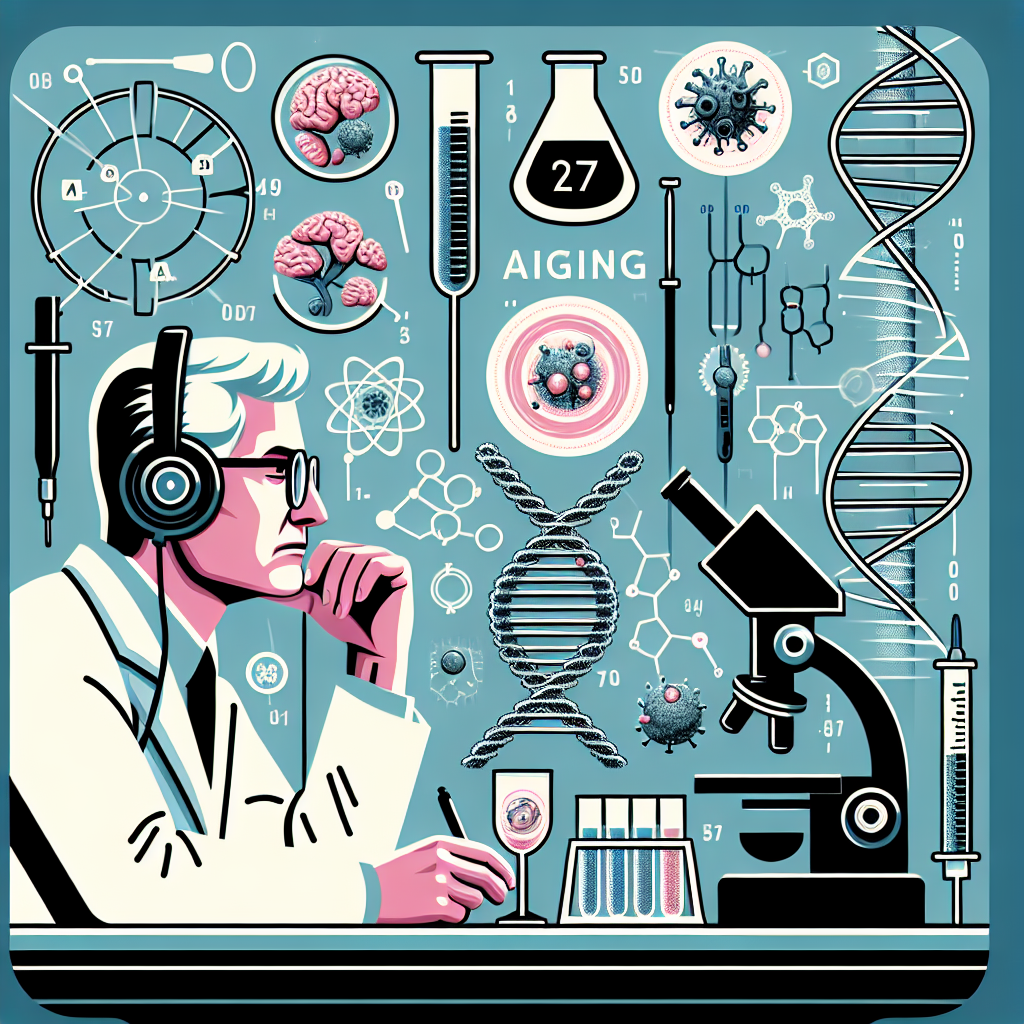
In this episode, Dr. Andrew Russell, an Associate Professor of Biology at Hillsdale College, explores the fascinating field of anti-aging research. He discusses the potential for extending human longe...
Anti-Aging Research and its Implications
Science •
0:00 / 0:00
Interactive Transcript
spk_0
Great books, great people, great ideas.
spk_0
Learning about these things is critical to being well-educated human being, and we can
spk_0
help with the Hillsdale Dialogues.
spk_0
Each week Hillsdale College President Larry Arn joins Radio Veteran Hugh Hewitt to discuss
spk_0
topics of enduring relevance, and from time to time, they also talk about current events.
spk_0
But always with an eye toward more fundamental truths, and they want you to tune in to a conversation
spk_0
like no other.
spk_0
The Hillsdale Dialogues are posted every Monday on the Hillsdale College Podcast Network
spk_0
at podcast.hillsdale.edu.
spk_0
That's podcast.hillsdale.edu, or listen via Apple Podcasts, Spotify, YouTube, or wherever
spk_0
you find your audio.
spk_0
Welcome to the Hillsdale College K-12 Classical Education Podcast, bringing you insight into
spk_0
classical education and its unique emphasis on human virtue and moral character, responsible
spk_0
citizenship, content rich curricula, and teacher-led classrooms.
spk_0
Now your host, Scott Bertram.
spk_0
Thanks for listening.
spk_0
The Hillsdale College K-12 Classical Education Podcast is part of the Hillsdale College
spk_0
Podcast Network, more episodes at podcast.hillsdale.edu, or wherever you get your audio.
spk_0
You also can find more information on topics and ideas discussed on this show at our website
spk_0
K-12.hillsdale.edu.
spk_0
More joined by Dr. Andrew Russell.
spk_0
He's Associate Professor of Biology at Hillsdale College.
spk_0
Dr. Russell, thanks for joining us.
spk_0
Sure.
spk_0
Thanks for having me.
spk_0
Talking today about a lecture you gave session, must we die?
spk_0
A review of anti-aging research and its implications.
spk_0
How did you get interested in the topic of human aging?
spk_0
Yeah, I didn't really think much of it.
spk_0
Most of my career, and just about a few years ago, I got interested in it because of a
spk_0
student of mine, actually.
spk_0
A student that I had before I came to Hillsdale where I was working.
spk_0
He came to me and gave me this book by Davidson Claire.
spk_0
It's called Life Span, Why We Age and Why We Don't Have To.
spk_0
And it's compelling title.
spk_0
And I didn't read it at first because I was too busy, but I picked it up.
spk_0
And when I did, I quickly realized that this was something I was really interested in.
spk_0
I had no idea that there were all of these researchers working on trying to understand
spk_0
how aging works and trying to figure out ways we can manipulate what's happening in the
spk_0
body to actually extend our longevity.
spk_0
So it was really student-driven and he wanted to do a project and experiment related to that.
spk_0
So we tried our hand at studying the relationship between Life Span and Alzheimer's, and we did
spk_0
it in a model system of worms, believe it or not.
spk_0
I think it was an undergraduate project.
spk_0
So all in all, the results were inconclusive, but it was kind of my first foray into that
spk_0
type of research and getting me interested in the topic.
spk_0
So he's getting old and dying just a natural part of the human experience?
spk_0
Yeah, well, that's a question that I asked my students.
spk_0
And so after getting interested in the topic, I actually made a class design a class here
spk_0
at Hillsdale College when I first came, which is a non-major's course and it's on the
spk_0
science of aging.
spk_0
It gave me an opportunity to actually really dig deep into the topic and make a class that
spk_0
I was passionate about.
spk_0
So that's one of the questions I asked my students and it's kind of a rhetorical question,
spk_0
because I want them to think about it from the perspective before joining the class,
spk_0
and then after the joining the class and what they, you know, has their opinion changed.
spk_0
And, you know, it's interesting the answer to that question depends on who you ask,
spk_0
because right now, surprisingly, the answer for scientists who are in this field would say,
spk_0
actually, aging is not a natural process that is required for us to go through, which
spk_0
sounds, you know, shocking and surprising to most people.
spk_0
They're like, of course, aging, getting old, dying is normal.
spk_0
Yeah.
spk_0
And I would say part of that answer is true, but what we're finding at a cellular level
spk_0
in our bodies is that actually there's no fundamental rules in ourselves that say they should
spk_0
get old.
spk_0
So, right now, research is trying to discover, okay, what are the things that, you know,
spk_0
are the signs that a cell is aging?
spk_0
And is there a root cause behind those that we can start manipulating in order to extend
spk_0
longevity?
spk_0
And we're making some fascinating progress.
spk_0
So, perhaps without getting too technical, what do you mean by there are not biological
spk_0
rules that say we have to age?
spk_0
What does that mean?
spk_0
Well, I mean, everybody that, you know, starts my class or here's my talk, you know,
spk_0
goes into it with the conception that, you know, it's inevitable, right?
spk_0
We're all going to age, we're all going to get old and die.
spk_0
But what researchers are doing is they're looking at cells individually, which is my kind
spk_0
of area of research, you know, I'm not so much interested in the whole organism or rather,
spk_0
I'm interested in explaining what's happening in the whole organism, depending on what's
spk_0
happening in the cell at the cellular level.
spk_0
So what I mean is if we look at a cell, it should actually have the ability to just continue
spk_0
to live indefinitely.
spk_0
So we're looking into why cells then start to go down this process of aging and then
spk_0
dying.
spk_0
And can we then dial that back a little bit and sort of reset the clock, so to speak?
spk_0
What do we know right now?
spk_0
Are there things that listeners can do to slow down the aging process with the data and
spk_0
research that we have?
spk_0
Yeah, absolutely.
spk_0
And that's kind of one of the interesting parts of my class and my talk is, you know,
spk_0
the most exciting part of aging research right now is we've discovered what are called
spk_0
longevity genes.
spk_0
That's what the field calls them because when they are engaged in an appropriate way,
spk_0
they will actually allocate resources towards extending the life of the cell rather than
spk_0
the opposite, which would be using energy to just grow very quickly as if the cell is
spk_0
just kind of a throwaway sort of resource.
spk_0
So now our knowledge that there are these longevity genes is looking into, okay, how can we actually
spk_0
change maybe our lifestyle or our diet or maybe even come up with some medical interventions
spk_0
to engage these longevity genes in a positive way?
spk_0
So of course, the easiest thing that doesn't require any sort of medical intervention are
spk_0
kind of the same things that your mother always taught, right?
spk_0
Okay, don't eat too much, you know, limit how much you're eating and exercise.
spk_0
So those things are not going to be shocking to most people.
spk_0
But what's new in the field is that we actually can explain scientifically at a cellular level what
spk_0
those things do to actually promote healthy long life.
spk_0
And, you know, to be succinct, it's basically engaging these longevity genes.
spk_0
When you exercise, you're actually doing things to your body that communicate to yourselves,
spk_0
to turn these genes on so that they begin to extend the life of yourselves.
spk_0
Besides diet, exercise, what potential advanced treatments might be on the horizon?
spk_0
Yeah, because my students are like, you know, Dr. Russell, can't we just figure out a way to eat
spk_0
what we want and not exercise, but still get the same benefits.
spk_0
And that's actually another area that researchers are actually trying to figure out,
spk_0
is there a pill we can take or something like that where we can engage these genes?
spk_0
So there's been quite a few different compounds out there, some of which the audience may have
spk_0
heard of if they're at all familiar with this area of research. There's some like
spk_0
rapamycin and metformin, which are drugs that have been studied for a while for other purposes,
spk_0
like cancer treatment or immunosuppressive drugs. But more recently, researchers have actually
spk_0
looked at their role in aging in model systems and animals. And they've showed that small doses
spk_0
of these can actually extend the life of these animals for a longer period of time.
spk_0
So where the research is now is actually taking some of these same drugs and treatments and
spk_0
starting human clinical trials. Is there researchers, there even, this might just be more anecdotal,
spk_0
but like family bloodlines where, you know, grandfather lives to 101 and dad lives in 99, right?
spk_0
Are there particular reasons that we're looking into, particular reasons why particular people,
spk_0
or again, particular bloodlines have longer life?
spk_0
Well, yeah, you can approach that in two ways. The first way that people approach it is looking at
spk_0
what are called blue zones, which is essentially areas around the world where people live longer.
spk_0
We have more concentration of centenarians, people that live past the age of 100.
spk_0
And so we've been fascinated for decades. What are these people doing differently that's causing
spk_0
them to live longer? And that's where we got some of the basic kind of lifestyle
spk_0
views, which were eat less, which is known as calorie restriction in the field of anti-aging,
spk_0
exercise. And then kind of another one, which I'm sad about, is eating less meat.
spk_0
That's another big kind of thing that has a negative effect on your longevity genes.
spk_0
One of them in particular. So that's one approach to that question. The other is more genetically
spk_0
looking at what are maybe some types of mutations or things that some people get.
spk_0
And there are actually groups of people that have mutations in certain genes that are either
spk_0
related to these longevity genes or have a roll downstream of them. And we can tell why and how
spk_0
they actually live longer. So for example, one of the hallmarks of aging is that the little protective
spk_0
ends of your chromosomes called telomeres begin to shorten basically from the time that we're born.
spk_0
We're born with these long telomeres. And every time ourselves divide their DNA, they start to shrink
spk_0
down. So by the time you're in your 60s and 70s, they've started to become pretty short. And
spk_0
there's a lot of researchers going into studying why that happens and can we reverse that process.
spk_0
And so naturally, there are people that have a genetic advantage where some of the population
spk_0
just naturally is born starting on third base when it comes to their telomere link. And some of us
spk_0
are at first base and there's no way at least currently that we can catch up. So there is research
spk_0
going and just figuring out, okay, the people that are on first base can we actually
spk_0
genetically give them gene therapy or something that can actually modify and extend their telomeres
spk_0
so that they haven't equal footing with those people on third base.
spk_0
I want to ask about potential issues and hold on that line. But I guess I have to ask
spk_0
the Jurassic Park question, which is, you know, we spend so much time thinking about, can we do this?
spk_0
We think about should we do this? Meaning, should we want to delay aging? Should we want to do this?
spk_0
Yeah, it's a great philosophical, religious question. From one perspective,
spk_0
I think chasing after immortality is probably not a good thing to do, especially if you're Christian, right?
spk_0
That's not at all the purpose of life. Eventually we are to die and we are to be with Christ in heaven.
spk_0
So from a religious perspective, that's not something we should pursue. And it's interesting.
spk_0
Also, if you look at Greek myths like Glockus the Sea God is a Greek myth where he was a fisherman
spk_0
and he found this herb which was able to bring fish back to life. So naturally, what did he do?
spk_0
He tried it himself and it worked very well. It made him immortal, but the problem was it also made
spk_0
him into a merman like creature. So I told the people at my talk that this is kind of a cautionary tale
spk_0
for us. I think that we shouldn't just be pursuing after immortality in a frivolous way, but we should
spk_0
think about, okay, this is just simply a type in area of science that is another tool for us.
spk_0
And science like Altur tools are a moral. They're not bad or good. It's simply how we use them that
spk_0
makes them bad or good. So I challenge my students in my class to think about what are the
spk_0
positive ways we can use this anti-aging research and what are nefarious or bad ways we can use it.
spk_0
And I think that's important for that class because it's a non-majors class. None of them are
spk_0
planning to be scientists themselves, but this type of research is going to be affecting them
spk_0
and their lives and their children's lives and society as a whole. Yeah, I mean, I guess sort of a
spk_0
follow up, but it might be a ridiculous question. Are there any advantages to aging that we don't
spk_0
want to overlook? Well, certainly that's one thing that kind of David Sinclair talks about in
spk_0
his book is we obviously don't want to lose the kind of wisdom and the institutional knowledge that
spk_0
growing old and aging gives us. But the whole goal of most of the anti-aging research out there
spk_0
right now is not to just make people live longer, but you think is an important aspect of it to
spk_0
reassure people what scientists are trying to do and also relates to another Greek myth, which
spk_0
is tithinus. He was a mortal man who was loved by Eos, a Greek goddess and she wanted him to live
spk_0
forever. So she asked Zeus to make him immortal and he did, but the problem was she forgot to ask
spk_0
that he also retained his youthfulness. So he eventually became old and decrepit and she put
spk_0
him in a room and never saw him again because he was no longer desirable. So that relates to most
spk_0
of what current aging researchers are trying to do and that is not only extend lifespan, but also
spk_0
extend what's called health span, where you're not just making people live longer, but you're
spk_0
actually extending the healthy period of their lives so that they're not just remaining in these
spk_0
ailing states for longer years, which would actually be detrimental to them, antisociety.
spk_0
We've been touching a little on this, but what potential issues might arise? We have to be aware of
spk_0
as these anti-aging treatments become more widely available.
spk_0
Right, and I should emphasize to the audience that they are going to become available. This isn't
spk_0
something that's just kind of like pie in the sky ideas, but where the research is going is
spk_0
very, very soon going to extend human lifespan by 10, 20, maybe more than that years. So we have to
spk_0
be prepared for how that's going to change the way we live and change society. So that goes beyond
spk_0
medicine. There's some obvious benefits medically, but just the way we've structured our society,
spk_0
especially in the United States, with things like retirement age, Medicaid, social security. All
spk_0
of these are actually probably already antiquated based on when we came up with them. Social security,
spk_0
for example, was in the 1930s, and then the life expectancy was so much lower than it is now.
spk_0
Imagine if we extend lifespan 20 more years. When it was started, I think the worker to
spk_0
beneficiary ratio was like 42 to 1. And now it's like 3 to 1. Well, if we extend lifespan more,
spk_0
we might get to 1 to 1 or even worse than that. It might actually be more beneficiaries than workers.
spk_0
So non-scientists need to be prepared for how to vote, how to advocate for policies that are going
spk_0
change things before they get bad. So social security would be one of them Medicaid retirement age.
spk_0
Most people think of retirement age around 65 or 67. Well, if people are living to 100,
spk_0
we're expecting them to live in retirement for 40 years. And that's not sustainable. So we're
spk_0
going to have to rethink are people still going to retire? They're going to retire later? Are people
spk_0
going to retire from their first career and maybe start a second career? That things like that are
spk_0
totally possible once we get to the point of where this becomes more widely available.
spk_0
That's a mention where do you live? Right? The retirement communities or assisted living facilities,
spk_0
you know, if everyone's living 10 to 20 years later are longer. Yes. That's another question.
spk_0
Yeah, we have to think about housing shortages, shortages of resources like food and water.
spk_0
You know, some areas of the world already have issues there. So those are only going to be
spk_0
compounded if we start extending lifespan. Now, all this might seem kind of doom and gloom,
spk_0
but there are also some benefits to this. And I think one of the compelling benefits is that
spk_0
if we start treating aging almost as if it's a disease, which is the ultimate kind of root cause
spk_0
of some of the older, the other ailments that kind of get us as we get older, like cancer and
spk_0
heart disease and all of these things. Really, a lot of aging researchers like David's and Claire
spk_0
would argue that if we start just addressing aging and helping people live a longer
spk_0
health span, we're actually going to make their entire body's healthy. But we no longer see
spk_0
cancer rates increasing and heart disease levels increasing. Those will actually start trending down.
spk_0
So then we're not going to be spending as much money on those. So that would be kind of the flipside,
spk_0
the exciting side about this research is it should actually improve health care costs.
spk_0
Interesting. Must we die a review of anti-aging research and its implications?
spk_0
Dr. Andrew Russell, Associate Professor of Biology at Hillsdale College. Dr. Russell,
spk_0
thanks for joining us here on the Hillsdale College K-12 Classical Education podcast.
spk_0
Thank you so much. I love this topic. So always have a good talk.
spk_0
I'm Scott Bertram. We invite you to like us on Facebook search for Hillsdale College K-12
spk_0
Classical Education. You also can follow us on Instagram at Hillsdale underscore K-12. That's Hillsdale
spk_0
underscore K-12 on Instagram. Thank you for listening to the Hillsdale College K-12
spk_0
Classical Education podcast part of the Hillsdale College podcast network more at podcast.hillstale.edu
spk_0
or wherever you get your audio.